Mud, Marsh and a Full Plate: The Sunday Circuit That Earns Its Yorkshire Pudding
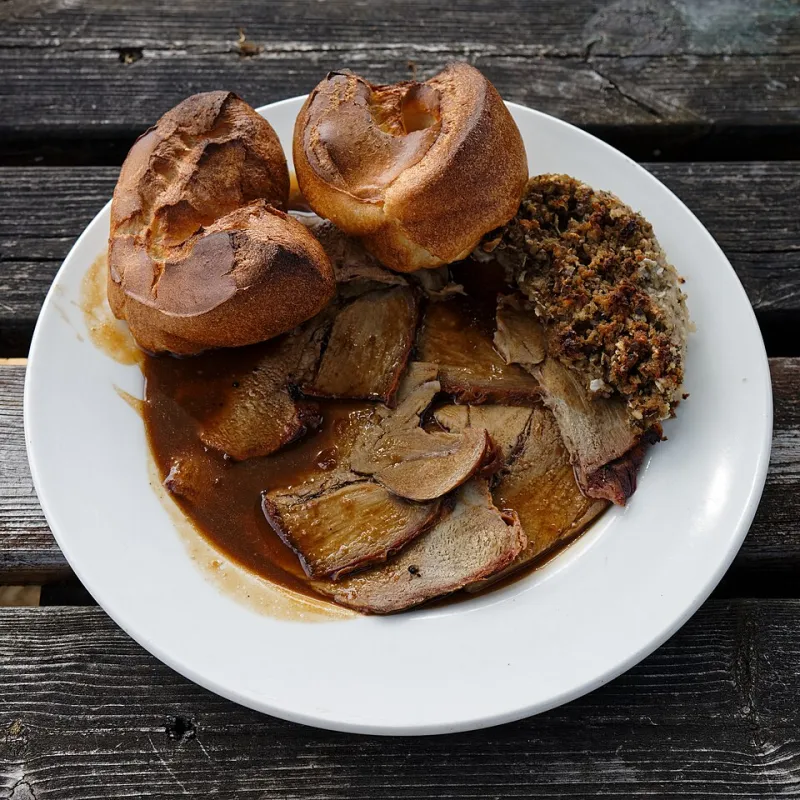
Photo: Acabashi, CC BY-SA 4.0, via Wikimedia Commons
Sunday lunch is a meal with a deadline. In Kirkbymoorside, that deadline is written in daylight. By mid-November the light is thinning before four, the field gates are holding a season's worth of mud, and the difference between a lovely morning and a rushed, resentful one is usually about twenty minutes of planning.
The idea here is simple: walk first, eat second. Not a fell race, not a pub crawl, not a heroic moorland epic that ends with cold gravy and apologetic staff. A Sunday circuit that leaves you hungry, muddy at the ankles and genuinely pleased to sit down.
Start with the forecast, not the menu
Check the weather and the sunset before you check the roast options. In winter, a five-mile walk with a proper stop can take three hours without anyone behaving badly. Add a closed road, a boggy stile or a chat with a farmer and you are closer to three and a half. That is fine if you booked for one o'clock and started at ten. It is less fine if you booked for twelve thirty and are still halfway up a field.
Book the table first, then choose the route to match. A one o'clock sitting gives you room to breathe. A twelve o'clock sitting means a shorter loop and an earlier start. Neither is wrong, but pretending a six-mile moor-edge walk fits neatly before a midday booking is how families fall out.
Three routes, three appetites
There are plenty of ways out of the square. These three are easy to adjust and easy to cut short if the cloud comes down or someone's boot starts leaking.
The Keldholme fringe — about 3.5 miles
The gentlest option. Leave the square, head down towards Keldholme and pick up the field paths and lanes that skirt the lower ground before turning back towards town. It is not a big day out, but it has enough of an edge to it — wet grass, a few gates, a view back to the church — to make the roast feel earned. Good for a first Sunday circuit, a dog with short legs or anyone who wants to be home before the light starts doing its afternoon trick.
Gillamoor and the field edges — about 5 miles
A steadier climb out towards Gillamoor, then a return on field paths and quiet lanes. This is the sweet spot for most people: enough uphill to warm you through, enough open ground to feel the moor nearby, but not so much that you arrive at the table with that hollow, slightly wild look of someone who has overdone it. In wet weather the clay can be slippery, so keep something in reserve for the descent.
The Spaunton Moor edge — 6 to 7 miles
Only if you are fit, the forecast is decent and you have booked late enough to allow for a slow pace. The reward is space and quiet; the price is exposure. Wind, bog and a track that can feel longer than it looks on the map. Turn back at the first sign of tired legs or a path that has become a stream. The roast will still be there. The daylight will not.
The pace that makes a roast taste better
Aim for a walking pace of about two and a half miles an hour, including gates and the odd stop to admire a view or adjust a sock. That sounds slow. It usually is. It also means you arrive at the pub with an appetite rather than a grudge.
Leave the square around ten, or ten fifteen for the shorter loop. Take water. Take a small snack only if you genuinely need one — a handful of nuts, not a full picnic. The point is not to starve yourself, but to save room for the main event. You want to be hungry, not hollow.
Arrive back in town with fifteen or twenty minutes to spare. That gives you time to deal with boots, find the door, hang up a coat and settle. Rushing in at one o'clock with mud halfway up your trousers and a dog wrapping its lead around a chair leg is not the atmosphere anyone booked for.
Mud is a fact; the carpet is not
Kirkbymoorside is a walking town, and most pubs are used to wet weather. That does not mean every floor is a flagstone. Some dining rooms are carpeted, some have tight corners, and some have a Sunday service that is already busy enough without a trail of field mud across the carpet.
Carry a boot bag or a carrier bag in the car. If you are walking from the door, ask at the bar where to leave boots and whether there is a porch or boot rack. Change footwear if you can. Keep the dog close and on a lead unless you have checked. Book ahead and mention the dog and the boots at the same time — it is not fussy, it is just useful information.
Choosing the roast without turning it into a crawl
There is more than one Sunday roast in town, and that is a good thing. It is also a trap. Trying to compare three roasts in one afternoon turns lunch into a research project, and nobody's Yorkshire pudding benefits from that.
Pick one place. Ask when you book whether roasts are served until they run out, whether there is a vegetarian option, and whether dogs are allowed in the room you have booked. Judge the meal on the things that matter: properly rested meat, a Yorkshire pudding with some structure, gravy that tastes of something, vegetables that have not been kept waiting since eleven, and service that is busy but not frantic.
Do not choose by queue alone. A packed pub is often a good sign, but a quiet one can be quietly excellent. And do not treat Sunday lunch as a tasting menu across the square. If you want to compare, come back another week. The walk is the point as much as the plate.
The last mile
Finish with a short loop through the square before you take your boots off. The noticeboard, the church, the last of the afternoon light on stone — it is a good way to close the morning. Then find your table, order something with gravy, and let the walk do its work.
The best Sunday roast is not the one you queue longest for. It is the one you sit down to with cold ears, clean hands and a morning's worth of fresh air behind you.