The Fire Is the Destination: A Hearth-Hopping Walk Through Kirkbymoorside
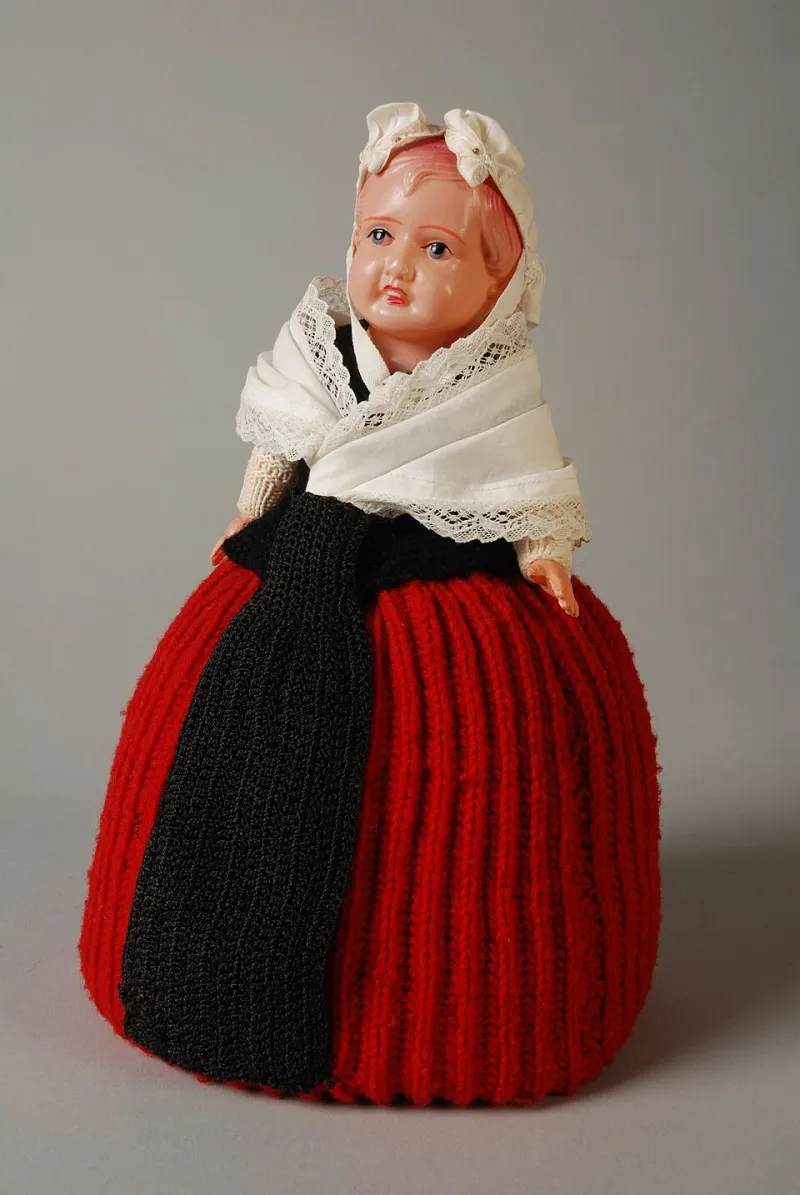
Photo: aankleding: L.W. van der Meulen, CC BY-SA 3.0, via Wikimedia Commons
Winter in Kirkbymoorside has its own clock. It is not the one on the church tower, or the one on your phone. It is the hour the fires are built. By mid-November, the light starts slipping off the moors in the middle of the afternoon, and the town’s pubs begin to smell of dry ash, hot metal and damp wool. That is the signal for a different sort of crawl: one measured in logs rather than pints.
The idea is simple. Pick a short town-centre route, time it around the hearths rather than the beer list, and let the walk do the work of making you cold enough to appreciate a good fire. You still end with a pint. You just end with a warm back as well.
Start With the Fire, Not the Beer
Most pub crawls begin with a decision about ale. This one begins with a question at the door: is the fire in?
A fire-first walk is not an excuse to drink more slowly. It is a way of paying attention. Some pubs have a fire that crackles and spits. Some have a stove that ticks like a cooling engine. Some have a fireplace that looks magnificent but has not seen a flame since the last refurbishment. All three are useful to know about.
The route itself should stay small. Kirkbymoorside is a town for walking across in ten minutes, which is exactly why it works. Start on the square, take a loop out through the back lanes, and return to the centre as the light goes. The walk between stops is not filler. It is the thing that makes the first fire feel like a destination rather than a default.
What Makes a Proper Moorland Fire
A good moorland fire is not a lifestyle accessory. It should smell of soot and resin, not air freshener. The logs should be dry and stacked with some vague intention, even if the stack is mostly there to look reassuring. The lintel above it should be a little blackened. The grate should have seen things.
There is a difference between a fire that has been in since lunch and one that has been lit for your arrival. The first has embers. The second has ambition. Both are welcome on a cold afternoon, but only one will still be giving off heat when the first round is finished.
A proper fire also has a sound. Hawthorn snaps. Ash settles. A stove hums. If the only noise is the extractor fan, you are in the wrong seat. Nobody is asking for a full medieval hall, but there is a reason people talk about hearths in the same breath as roofs. The fire is part of the building’s job.
And yes, a gas flame is not a fire. It is a screensaver with a heat setting.
The Etiquette of the Good Seat
The seat nearest the fire is the best seat in the house, which means it is never really yours. Treat it like a bus stop in the rain: you can use it, but you cannot claim it for the afternoon.
Ask before you settle. “Are these taken?” is enough. Do not hover six inches from someone’s shoulder while they finish their drink. Do not rearrange the furniture to make a point. Do not drape wet coats over the spare chairs as if you have booked the whole corner. Buy something before you unpack your bag, your scarf and your opinions.
The other rule is the empty-glass rule. If a table has finished drinks, coats on the backs of chairs and a general air of departure, wait a beat. They might be leaving. They might be having a last conversation. Give them the dignity of the last sip before you pounce.
And do not poke someone else’s fire without asking. It is a small thing, but in a pub with a real hearth, the person who built it has usually been tending it all afternoon. Respect the poker.
A Short Loop, Timed to the Light
The route works best in late afternoon. Start on Market Place while there is still a bit of grey in the sky, then take the long way round rather than the direct route. A loop up through the back lanes and along the edge of the churchyard will wake up your hands and make the first doorway feel like a proper arrival.
Aim for three stops, not five. The first should be a pub with a fire that is already established — somewhere you can sit for twenty minutes, thaw your fingers and leave before the seat becomes a territorial dispute. The second should be a short walk away, no more than ten minutes, with a slightly different atmosphere. The third should be the one nearest your bus stop, your cottage or your bed.
One drink per stop is plenty. This is not a test of endurance. The point is to notice the difference between a fire that has been banked up for the evening and one that is still finding its feet. The point is also to leave each pub while you still like it.
Between the Stops
Do not rush the walking bits. The cold is part of the recipe. A ten-minute loop through the town’s narrow lanes, past dark windows and damp stone, makes the next fire feel earned. If you go straight from one pub to the next, you are just moving a warm body from one room to another. If you take the long way, you are doing a walk.
Wear boots you can afford to get muddy, a coat that can handle a drizzle and a layer you can take off once you are inside. There is nothing worse than overheating in a pub because you dressed for a fell top and are now sitting two feet from a blaze. Keep your gloves in your pocket, not on the radiator. The radiator is for the pub’s cat.
Last Orders, Warm Back
The final stop should be the one where you sit with your back to the fire, pint in hand, and feel the heat settle into your shoulders. That is the whole trick. You have walked a small loop, crossed the town twice, and ended up exactly where you wanted to be: indoors, in company, with the moors somewhere out there in the dark.
When you leave, the cold will hit you properly. That is fine. It is a short walk home, and the fire will still be in your coat when you get there.