The Half-Row Rule: Life, Weather and Too Many Courgettes on Kirkbymoorside's Allotments
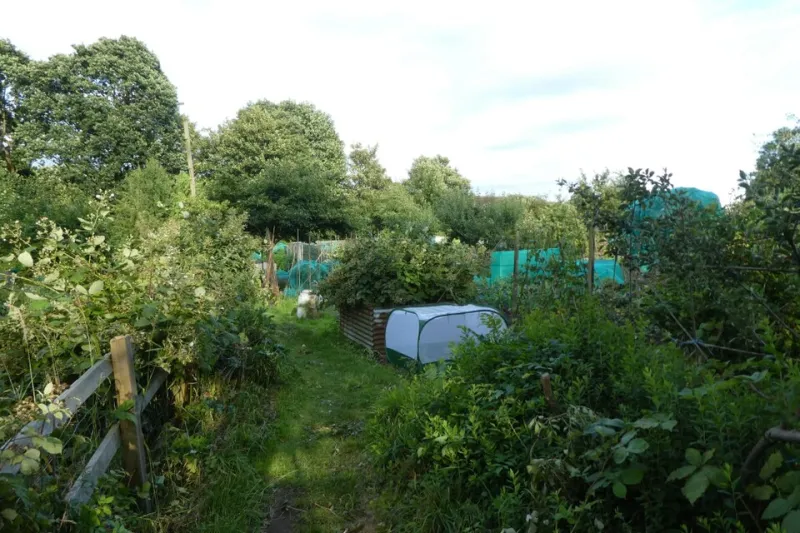
Photo: DS Pugh , CC BY-SA 2.0, via Wikimedia Commons
There is a particular kind of Kirkbymoorside conversation that begins with the weather and ends with courgettes. It happens over a gate, beside a water butt, or halfway down a path between sheds that have been repaired with pallets, persuasion and a bit of luck. The town's allotments are not a grand civic showpiece. They are working plots on the moor's edge, and they run on a simple principle I've come to think of as the half-row rule.
Plant more than you need, but not so much that you become a nuisance. Then give the other half away before it turns into a marrow the size of a small dog.
Spring: wind, seed packets and the shed economy
Spring on the plots is less about sowing than about waiting. Kirkbymoorside can serve up a bright, bossy morning that tempts you into shirtsleeves, then a cold northerly that reminds you the moor is still in charge. Growers here tend to treat the first warm week as a false friend. The soil may look ready; the nights usually aren't.
Practical sorts use cloches, fleece and cold frames, but the real local skill is patience. Hardy things go in first — broad beans, early peas, onions, kale — while tomatoes and courgettes stay indoors until the risk of frost has properly gone. On exposed plots, low windbreaks made from woven hazel or even sturdy netting earn their keep. Raised beds help, too, especially where the ground is heavy and slow to warm.
And then there are the sheds. Not every allotment site is a village, but each one has its own social weather. Someone has a kettle. Someone else has a spare rake. A third person has opinions about compost that could fill an evening. The spring seed swap is the closest thing to a town meeting the plots ever hold: envelopes of saved beans, surplus onion sets, slightly optimistic packets of chilli seeds, and the quiet redistribution of last year's mistakes.
If you're new to growing, this is the moment to ask questions. Allotment people are rarely short of advice. Some of it is even useful.
Summer: short seasons, long evenings and the courgette problem
By June, the plots have caught up. The moor weather gives you a short growing window, so successional sowing matters more here than in gentler parts of the country. Little and often beats one ambitious row that all ripens in the same week. Salad leaves, radishes and spinach can be sown in gaps. Dwarf beans are kinder than tall ones on windy sites. Courgettes, of course, arrive with the confidence of a plant that has never been told no.
This is where the half-row rule earns its name. A full row of courgettes is a summer-long commitment. A half row is a sensible gamble. The surplus still comes — it always does — but it comes in quantities that can be dealt with by leaving a bag on a neighbour's step, adding a few to the seed-swap table, or quietly depositing them in the staff room at work.
The social life of the plots peaks now. Watering in the evening turns into leaning on a spade and talking. Someone is fighting slugs with beer traps and wounded pride. Someone else has perfected a compost mix and will tell you about it at length. Children run between sheds. Dogs are generally tolerated, provided they don't mistake a brassica bed for a racetrack.
For visitors, summer is also the best chance to see the allotments without feeling you've wandered into private gardens. Kirkbymoorside's open allotment days in 2026 are the obvious way in. Keep an eye on the town noticeboards, the library, and local allotment association posts for the date — it's usually a weekend in summer, with plots open, produce for sale and a great deal of tea. Go along even if you don't have a plot. It's the most good-humoured introduction to the town's growing life you'll get.
Autumn: gluts, gratitude and getting the ground ready
Autumn is harvest, but it's also admin. Beans are dried, onions strung, apples swapped, and green tomatoes brought in to ripen on windowsills. The courgette glut reaches its peak around the same time as the first proper gales, which means plenty of growers are out in waterproofs, tying things down and pretending they meant to leave the sweetcorn that long.
It's a good season for practical jobs that pay back next year. Clear spent crops, add compost, sow a green manure if you have bare ground, and fix the shed before winter does it for you. On moorland-edge plots, that last one is not optional. Felt roofs lift. Doors swell. Gutters clog. A October afternoon with a hammer and a flask is time well spent.
The social tone shifts, too. Less standing about, more getting on. But the half-row rule still applies: if you've got a glut of runner beans, leave them where someone else will find them. If you've had a bad year with carrots, say so. Allotmenteers are unusually honest about failure. It's one of the pleasures of the place.
Winter: planning, seed catalogues and the first sign of spring
Winter on the plots is mostly quiet, which is not the same as empty. There's manure to barrow, structures to mend, and seed catalogues to argue with. This is when growers plan next year's half rows with the optimism of people who have forgotten last year's blight. It's also when the allotment community does its less visible work: sorting out shared tools, checking the water supply, and keeping an eye on plots whose owners are ill or away.
For anyone thinking of taking on a plot, winter is the time to ask. Waiting lists exist, and they move at their own pace. But you don't need a plot to benefit from the allotment year. Buy a bag of surplus veg when you see it. Go to the open day. Ask what's growing. The answer will probably involve the weather, and it may well end with courgettes.
That's the thing about Kirkbymoorside's allotments. They are a practical response to a short growing season and a generous one to the fact that none of us gardens alone. The half-row rule isn't written down anywhere, but everyone knows it. Plant enough for yourself. Plant a bit more for the neighbours. And when the moor sends a gale through in June, help hold the netting up.