Pencils Down, Pints Up: How to Join the Quiz Night Circuit in Kirkbymoorside
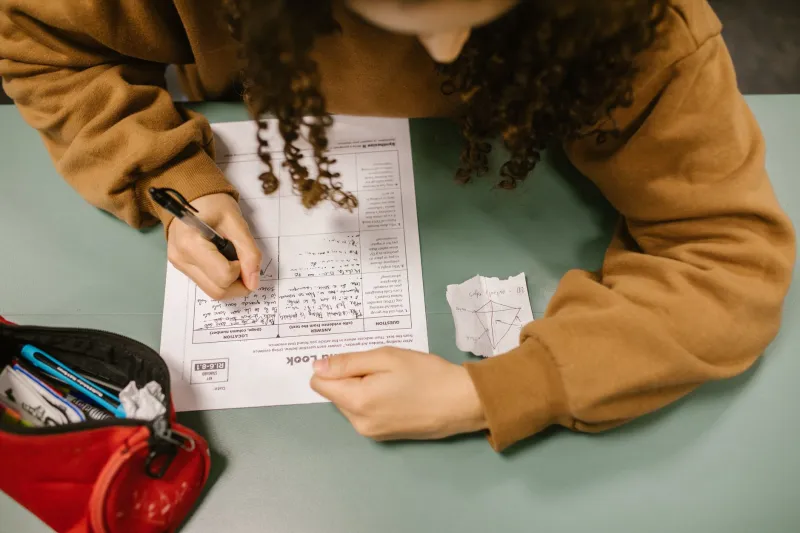
On a damp Tuesday in November, Kirkbymoorside does what it always does when the light goes early: it retreats indoors. The market square empties, the blinds come down, and the pub windows turn amber. Somewhere behind one of those windows, a quizmaster is testing a biro and wondering whether anyone will get the picture round. This is not a staged event for visitors. It is simply what happens when a small town needs a reason to sit down together in 2026.
If you are staying nearby and fancy joining in, the good news is that the circuit is not exclusive. The bad news is that it is not especially organised either. Pub quizzes here come and go with the seasons, the landlords, and the football fixtures. Treat the following as a field guide to the habits around the quiz, rather than a timetable.
Start with the pub, not the quiz
Do not begin by searching for a definitive list of quiz nights in the area. Begin by asking at the bar. A quick word at the King’s Head, or whichever pub is closest to your cottage, will usually point you in the right direction: Tuesday at one place, Thursday at another, maybe a monthly fundraiser in a village hall with a bring-your-own-supper arrangement. The person pulling the pint knows more than any noticeboard.
Ask two questions: which night, and whether a small team can squeeze in. Most quizzes are glad of the extra custom. A table of two can often join a table of three without anyone having to make a speech about it.
Reading the room
Quiz nights have two speeds. At one end is the table with a ruler, a highlighter and a designated answer-sheet monitor. At the other is the table that orders chips halfway through and treats the music round as a conversation starter. Both are valid. Neither is necessarily winning.
Arrive ten minutes early if you can. Look for the telltale signs: a stack of answer sheets, a jug of water, a raffle prize that looks suspiciously like a box of biscuits. If the room is full, ask the quizmaster rather than hovering. They are usually the person with the microphone and the slightly hunted expression.
And do not shout out answers. The pleasure of a moorland quiz is that it is collaborative and quietly competitive at the same time. Loudness is not a strategy.
The team name is a small civic art
A good team name is short, self-deprecating and vaguely local. ‘The Moor the Merrier’ will do. So will ‘Baa-ck Again’ or ‘No Eye Deer’. Avoid anything that requires the scorekeeper to write a sentence. Avoid anything that mocks another team, even gently; you may be sitting next to them at the next quiz.
If you are a visitor, leaning into it is fine. ‘The Weekend Visitors’ is honest and gets a smile. What you do not want is a name that suggests you have come to show the locals how it is done. You have not. They know the answers to the local history round.
The rules are mostly unwritten
Phones go in the basket, or at least face down and out of reach. The quizmaster’s word is final. Spelling is usually treated with mercy unless the whole point of the question is the spelling. The raffle is not optional in spirit, even if it is in practice. And the half-time break is for reordering drinks, not for finishing the picture round in a huddle.
Some quizzes have a cash prize. Some have a bottle of wine. Some have a trophy that stays behind the bar and is engraved with names from years ago. The prize is rarely the point. The point is that everyone has a reason to be in the same room on a night when the moor is doing its best to keep people at home.
What the questions are actually like
Expect a mix: general knowledge, a music intro round, a picture round, and a handful of questions that only make sense if you have lived here for a while. Local footpaths, old railway lines, farm names, the year the church tower was repaired — these turn up. So do capital cities and film titles.
Visitors often have an advantage on transport, music and anything involving a map of the world. Locals have the edge on everything within ten miles. The trick is not to panic when the first local question lands. Put down something plausible and move on.
A small kit for the visitor
Bring cash for the raffle, a pen that works, and a layer. Pub quizzes are warm by the fire and cold by the door, and you may not get to choose. If you are walking back to a holiday cottage, bring a torch. The lanes out of town get properly dark, and the quiz will not wait while you find your phone light.
Eat before you go, or accept that you will be ordering chips at half-time. Neither is a failure. The chips are often the best part.
When you do not know the answer
Leave it. Guess. Do not argue with the marking table unless you are certain and cheerful about it. A wrong answer delivered with confidence is part of the ritual. So is the quiet groan when the quizmaster reads out the correct one and someone at your table says, ‘I said that. I definitely said that.’
If you win, clap. If you lose, clap. Then walk out into the cold, cross the square, and notice how much quieter the town is than it was when you arrived. The quiz is not really the point. It is the excuse. And in Kirkbymoorside, an excuse to sit in a warm pub with a pen and a pint is usually worth taking.