Mend It Before the Moor Takes It: A Kit Repair Trail Around Kirkbymoorside
There is a particular moment on the edge of the moors when you feel the kit give. The boot rand lifts away from the leather. The rucksack zip leaves a tooth behind on the doorstep. The bike begins to click in a gear it used to like. In a town like Kirkbymoorside, the answer is not always a new one. Around the square and the lanes, there is a quiet repair economy — cobblers, alterations, bike fettlers and outdoor-gear fixers — that keeps good kit out of the bin and on the path.
This is not a lecture about sustainability. It is a practical trail. The sort you can do on a Saturday morning with a boot bag over one shoulder and a bike on the rack, finishing with a coffee and the feeling that something has been rescued.
Start With the Boots
Boots are the first thing to fail because they do the most work. A decent pair can take a resole, a rand repair or fresh stitching, but the trick is catching it early. If the sole is worn through into the midsole, or the leather has gone soft across the flex point, the repair may not be worth the money. If it is a clean split, a lifted rand or a worn heel, ask.
Take them clean and dry. A cobbler cannot judge a boot that is caked in peat and sitting in a plastic bag. Scrub the mud off, pull the laces out and let them dry naturally — not on a radiator, which will curl the leather and make the repair harder. Ask whether the work is done on site or sent away, because that changes the turnaround from a few days to a few weeks. Ask what sole unit they use and whether it suits the sort of ground you walk on. A sticky rubber compound is lovely on wet rock but wears fast on gritstone tracks; a harder sole lasts longer on the Tabular Hills but can feel skittish on wet flagstones.
Zips, Seams and Sad Waterproofs
Waterproof jackets rarely die all at once. They lose their beaded finish, the seam tape lifts, or the main zip starts to separate behind the slider. A good alterations service can replace a zip slider, shorten a sleeve or patch a tear. A full zip replacement is more involved and often worth it on a jacket you like. Ask whether they use a waterproof zip and whether they can re-tape the seams afterwards. Not every high-street alteration shop will have the right tape or the machine for bulky outdoor fabrics, so ring ahead and describe the job.
For rucksacks, think in terms of load-bearing repairs. A broken buckle is easy. A torn shoulder strap or a ripped base panel needs proper webbing and a bar-tack machine. Ask for the repair to be stitched through the reinforcement, not just over the top of the hole. If the harness foam has gone flat, that is usually the end — but a sternum strap, a hip-belt buckle or a compression strap can often be saved.
Reproofing is the other half of the job. A wash-in or spray-on treatment can bring a jacket back to life, but it will not fix a delaminated membrane. Be honest about what you are asking for. If water is getting in through the fabric rather than the surface, a reproof will not solve it.
Bikes: The Rolling Repair
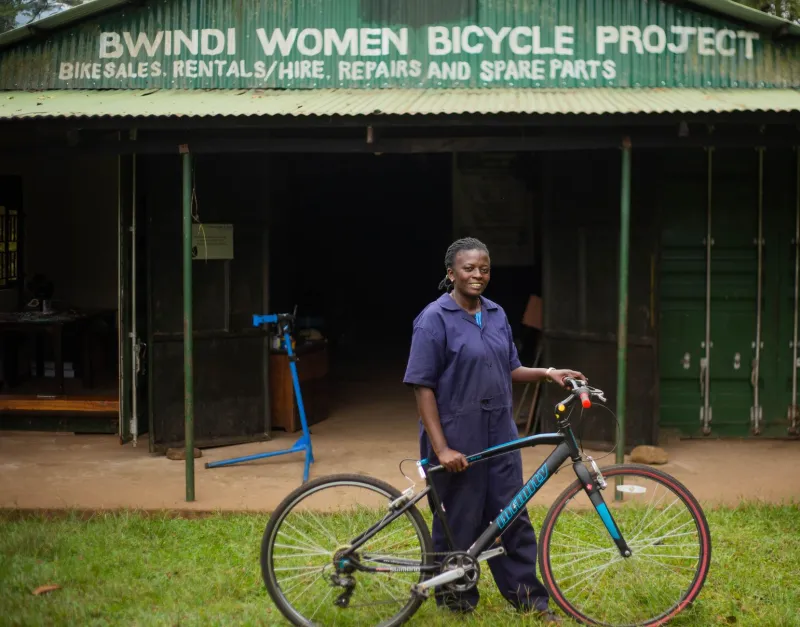
Bikes are where the repair trail becomes a proper circuit. A local bike shop can handle gear indexing, brake bleeds, wheel truing and bearing replacement. Book ahead if you can, especially in the run-up to a bank holiday or a spell of good weather. If you are riding moor tracks, ask for the wheels to be checked for spoke tension and the tyres to be set up for the conditions you actually ride, not the ones the manufacturer imagined.
If you have an e-bike, say so when you book. Not every workshop has the software or the training for motor and battery diagnostics, and it is better to know before you lug it through the door. For older bikes, ask whether they can source parts before you leave it. A seized bottom bracket is a small job with the right tool and a frustrating one without.
The Drop-Off Circuit
A sensible repair safari starts close to home. Ring the businesses in and around Kirkbymoorside first, describe the job and ask for a rough price and turnaround. For specialist work — a full boot resole, a waterproof zip, a frame repair — you may need to look to Helmsley, Pickering or Malton. That is still a short drive, and it keeps the money in the local economy rather than sending it to a warehouse.
Saturday is market day, so the square is busy and the drop-off points may be busier too. Midweek is calmer. Take photographs of the damage before you hand anything over, agree the price in writing if it is a big job, and keep the ticket. If the repairer says the item is not worth saving, believe them. A good cobbler or bike mechanic will tell you when a repair is throwing money at a lost cause.
What to Ask Before You Hand It Over
- What exactly will you replace or repair, and what will you leave alone?
- Is the work done here or sent away, and how long will it take?
- What is the likely cost, and what happens if you find more damage?
- Will the repair keep the item waterproof or load-bearing?
- Do you guarantee the work, and for how long?
- Can I have the old parts back?
The Gentle Argument
Repair is not nostalgia. It is practical. A pair of boots that has moulded to your feet is worth more than a new pair that has not. A jacket that fits is worth mending. A bike that you trust on a wet descent is worth a service. The moors are hard on kit, but they are also hard on the wallet if you replace everything the moment it scuffs. The repair trail around Kirkbymoorside is not long, but it is useful. Use it before the next trip, not after the next failure.