The Rhythm of the Moors: Kirkbymoorside in 2026, Month by Month
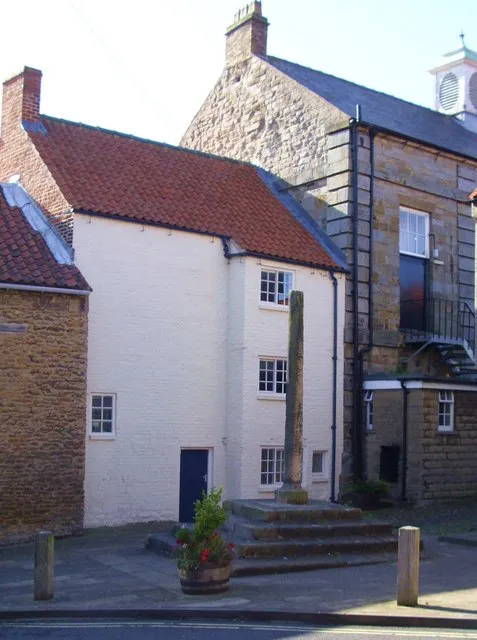
Photo: Gordon Hatton, CC BY-SA 2.0, via Wikimedia Commons
Kirkbymoorside does not run on a tourist timetable. It runs on market day, choir practice, folk nights, the church calendar and the weather. The 2026 calendar has already turned most of its pages — we are writing this on 7 November — so think of this as part record, part planner. The early months are what the year gave us; the last two are what is still to come. If you are timing a visit, aim for the rhythm rather than a single date. The town is better when you catch it doing its ordinary thing.
January to March: the quiet quarter
January opens with muddy boots and quiet pubs. The Wednesday market still sets up in the square, though the stalls are fewer and the traders are hardier. Folk nights at the King's Head give the month a bit of warmth, and New Year walks on the moor blow away the cobwebs. February brings half-term, pancake day and the first snowdrops in the churchyard. It is also the month when a frost fair feels possible — not a scheduled event so much as a mood. March is lambing, daffodils and Mothering Sunday, with the first properly light evenings returning by the end.
April to June: the town wakes up
Easter sets the pace in April, with services, family visits and the first proper pub lunches in the garden. Bluebells appear in Douthwaite Dale, and Ryedale Folk Museum at Hutton-le-Hole starts to feel busy again. May brings the Kirkbymoorside 10K, which fills the pubs with runners and spectators, plus the first walking groups heading out on the moors. June is carnival month — floats, stalls, brass bands and a slightly chaotic procession through town. The longest day is worth marking with a late pint and a walk home in the half-light.
July and August: high summer
July is show season. The Ryedale Show draws farmers, families and anyone who wants to look at tractors, and the town empties into the fields for the day. School holidays bring visitors, and the heather starts to turn purple on the higher ground. August is the month for village shows, ice cream at Hutton-le-Hole and early-morning walks before the heat. The moors are at their busiest, but the lanes around Kirkbymoorside still have quiet corners if you know where to look.
September and October: the harvest turn
September has a distinctly local feel: the moorland walking festival, late harvest, and the first proper beer festival of autumn. The light softens, the bracken turns, and the pubs start to feel like somewhere to settle rather than pass through. October brings Apple Day at the folk museum, Halloween, and the first dark evenings. This is the month when the town begins to turn inward again, and the log baskets come inside.
November: what is left
As of 7 November, Remembrance Sunday is tomorrow, and the town will fall quiet around the war memorial. Later in the month come the Christmas lights switch-on and the first late-night shopping evenings. The Wednesday market continues, the folk nights keep going, and the pubs start taking bookings for Christmas. It is a month of low sun, early nights and good soup.
December: frost fairs and full pubs
December is the busiest month in the calendar. The Christmas fair fills the square with stalls, the church hosts carols, and the town's Frost Fair — if it returns as planned — brings a bit of noisy, cold-fingered cheer to the streets. Book tables early for Christmas meals, and check bus times if you are coming from Helmsley or Pickering. New Year's Eve is low-key but friendly: a few pints, a countdown, and a walk home under the stars.
How to use this calendar
Market day is Wednesday, and it is the best single day to see the town being itself. For events, check the parish noticeboard, the town council website and the pubs' social media before you travel — dates move, especially in winter. Book accommodation early for the 10K, the Ryedale Show and the Christmas fair. And leave room for the unplanned: a folk night you stumble into, a frosty morning on the moor, or a pint that turns into lunch.