Back Lanes and Boundary Walls: A 90-Minute Snicket Loop Through Kirkbymoorside

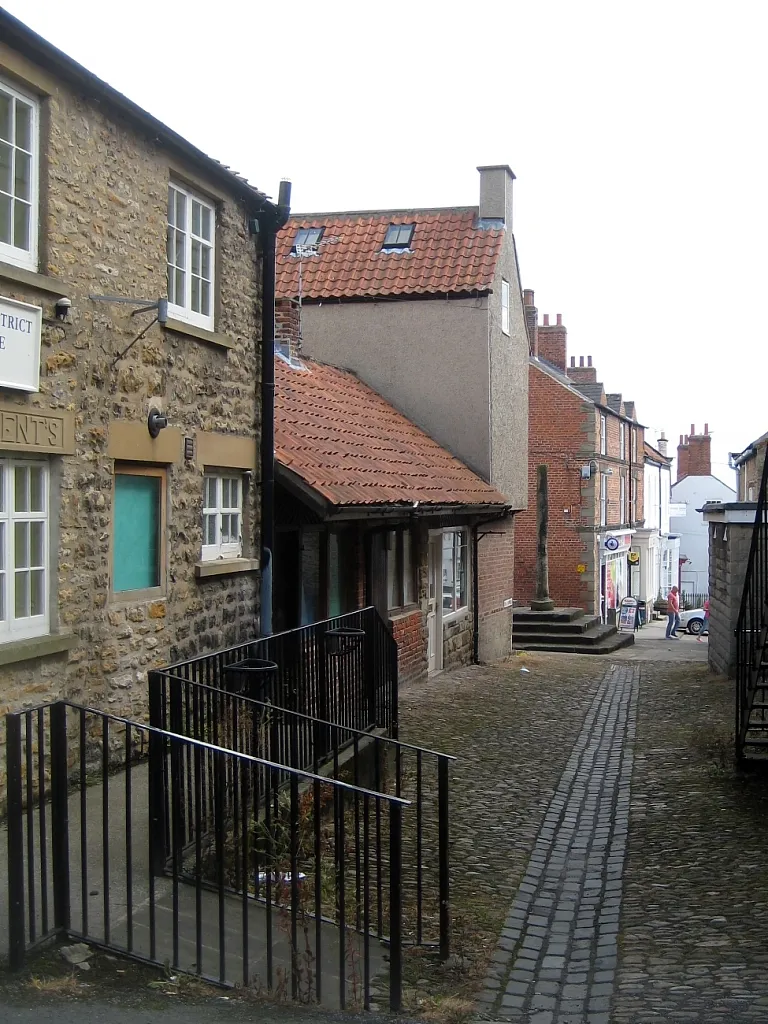
Photo: Kirkbymoorside narrow stone alley market town North Yorkshire, via shermanms.gov
Ask a visitor to describe Kirkbymoorside and they will mention the square, the church and the wide main street. Ask someone who has lived here a while and they will mention the snickets. These narrow passages, service yards and back lanes are easy to miss, but they explain more about the town than any information board. They are the working half of a market town that grew backwards as well as forwards.
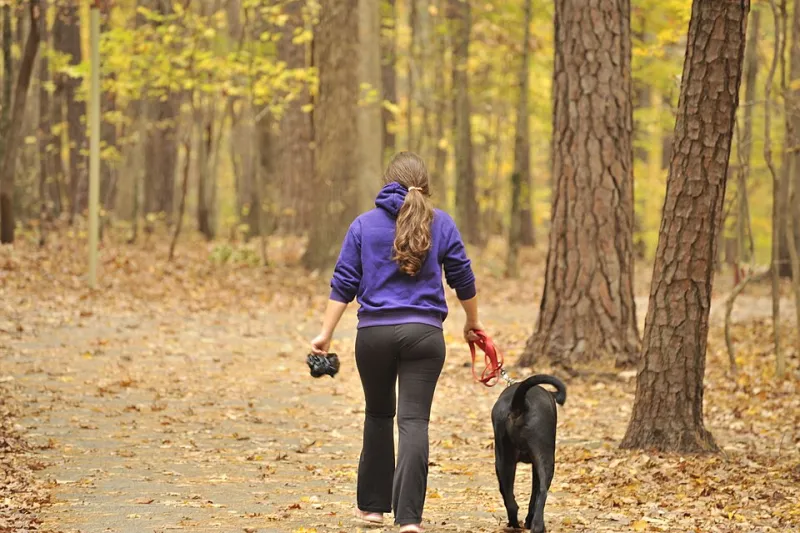
This is a short walk, about 1.5 miles, taking in the older lanes and passages around the centre. It is mostly flat, but the surfaces are uneven: setts, stone flags, steps and a few muddy places after rain. Allow 90 minutes if you want to look properly. Dogs are welcome on a lead, but some passages are private; if a gate is shut, turn round.
What a ginnel tells you
In a market town, the street frontage was for showing off. The back lane was for working. Long, narrow plots ran behind the shops and houses, with yards for carts, coal, washing, privies and animals. Some of those yards are now gardens. Some are car parks. Some have been swallowed by later buildings. The passages that remain are the joints in the town's structure, and they are full of clues: blocked doorways, worn thresholds, cart-width gaps, high boundary walls and stone flags polished by centuries of boots.
The route at a glance
Start on Market Place. Finish at the George & Dragon for a pint. The loop is deliberately loose — some snickets are private, and some close at dusk — so treat this as a framework rather than a military operation.
1. Market Place: read the gaps (10 minutes)
Stand on the square and look at the rooflines rather than the shopfronts. Where a modern fascia interrupts an older stone frontage, there is often a passage beside it. Some are obvious; some are barely wider than a doorway. Look for wear on corners, stone lintels that do not match the wall around them, and narrow windows that once lit a stair or a storeroom. The square was the stage; the gaps were the way in.
2. Church Street: the narrowest turn (15 minutes)
Walk up towards All Saints Church and keep your eyes at waist height. Boot scrapers, stone steps and iron handrails are the giveaways. Before the church, take a narrow snicket to the left if it is open. It will feel too tight for a car — that is the point. These passages were made for feet, barrows and the occasional handcart. Look at the walls on either side: different stone, different mortar, different centuries. The lane has been patched and rebuilt many times.
3. Back church lane: walls with a story (20 minutes)
Follow the lane behind the churchyard wall. This is the quietest part of the walk. The high boundary walls are worth a slow look: coping stones, blocked gateways, buttresses added to stop a wall leaning, and lime mortar that has been repointed in patches. In places you can see where a doorway has been filled in, leaving a ghost of a frame. These were service entrances, coal stores and garden gates. The wall is a record of changing fashions in privacy.
4. West End service yards (15 minutes)
Return to the main street and cross towards West End. Behind the pavement frontages are old yards, some still in use, some now gardens. Look for cart-width gaps between buildings, coal holes at low level, and stable loft doors that now open onto nothing in particular. A few walls still have iron hooks or rings set into the stone — useful for tying up a horse, hanging a sign or hauling a sack. The details are small, but they add up to a working town.
5. Manor Vale edge and the beck (15 minutes)
Drop south towards the wooded edge of town, where the beck and the old boundaries meet. This is a good place to see how water was managed: stone culverts, retaining walls, damp shade and the green stain of algae. Towns like Kirkbymoorside were built around water, and the back lanes often follow the wet ground rather than the straight line of the street. Listen for the beck under the path. In wet weather it is loud; in dry weather it almost disappears.
6. Return by the back lane (15 minutes)
Rejoin the main street and take one last back lane back towards the square. Look for the small things you missed on the way out: a carved initial, a reused lintel, a line of setts fanning out where a cart turned. These are not grand monuments. They are the everyday marks of people who lived and worked here, and they are easy to walk past.
The pint at the end
The George & Dragon on the square is a sensible finish. You have earned it. Order something local if it is on, find a seat near the window and watch the town go about its business. From the inside, the square looks straightforward again. But you will know where the gaps are.
Practical notes
Respect private yards and shut gates. Do not peer into windows. Keep dogs on leads in narrow passages and around the churchyard. Watch for traffic where lanes meet the main street, and take a torch in winter. The route is short, but the stones are uneven and the light goes early in November.