Fleece, Fields and Makers: Following Kirkbymoorside's Wool Story Today
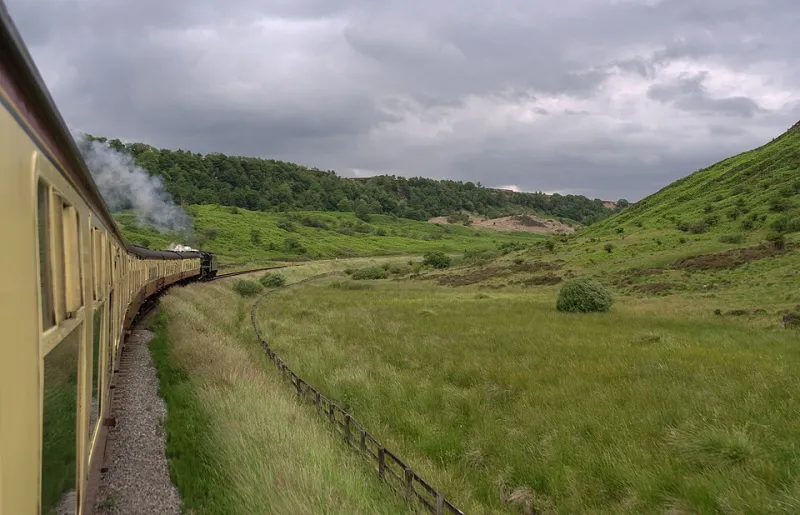
Photo: mattbuck (category), CC BY-SA 3.0, via Wikimedia Commons
Wool is not a niche heritage topic in Kirkbymoorside. It is written into the town's shape, its market square, its field patterns and the hardy sheep that still graze the moor edge. The town grew where the moor meets the vale, and fleece moved through its markets long before anyone thought to call it a visitor attraction. In 2026, the old trade is quieter, but it has not vanished. You can still follow the thread from sheep to shop, and meet the makers who keep it visible.
Sheep on the Moor Edge
The North York Moors are not a soft landscape, and the sheep reflect that. Swaledales and Scottish Blackface types are common on the higher ground, along with crosses bred for hardiness and mothering ability. Their fleece is part of the annual rhythm: shearing in summer, sorting in the barn, and then the awkward question of what happens next.
Not all moorland fleece is valuable in the way it once was. The global wool market is tough, and many farmers receive little for a fleece that takes real work to produce. That is where the makers come in. By turning fleece into yarn, felt, insulation, knitting kits and craft materials, small producers add value and keep the material visible. It is not nostalgia. It is a practical response to a difficult market.
What the Town Kept
Kirkbymoorside was a market town before it was a visitor destination. Its medieval market charter, its wide square and its position between the moors and the Vale of Pickering all point to a place where livestock, fleece and finished cloth changed hands. The great abbeys of North Yorkshire — Rievaulx, Byland and others — were major wool producers in the medieval period, and the trade shaped the wider region.
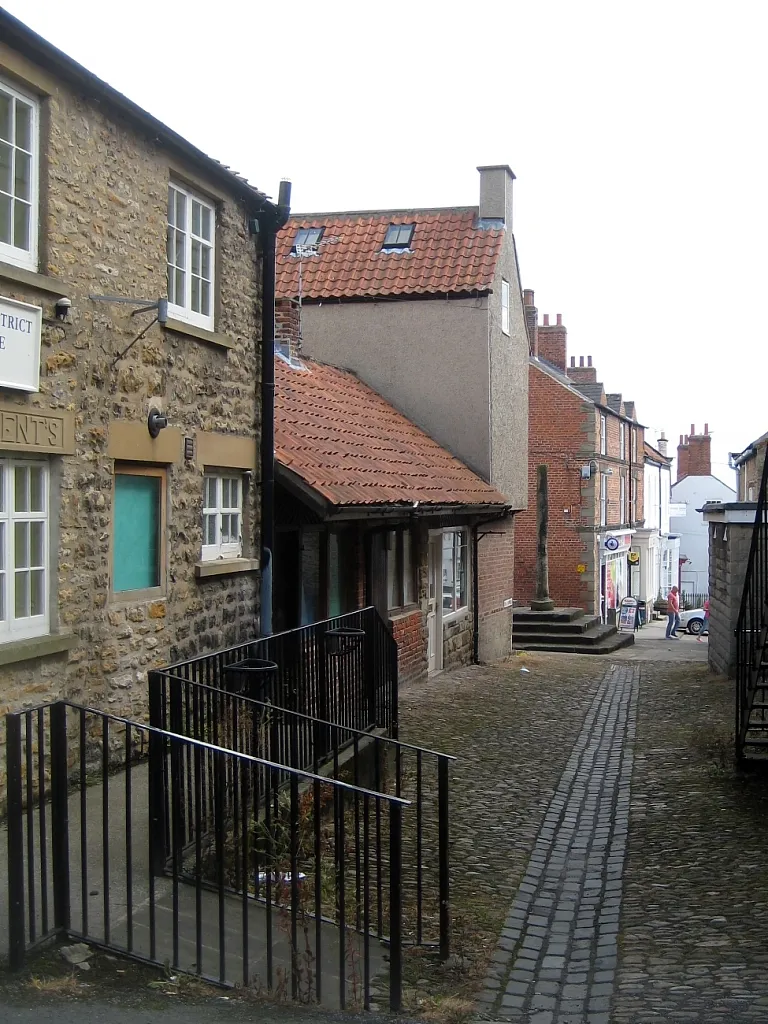
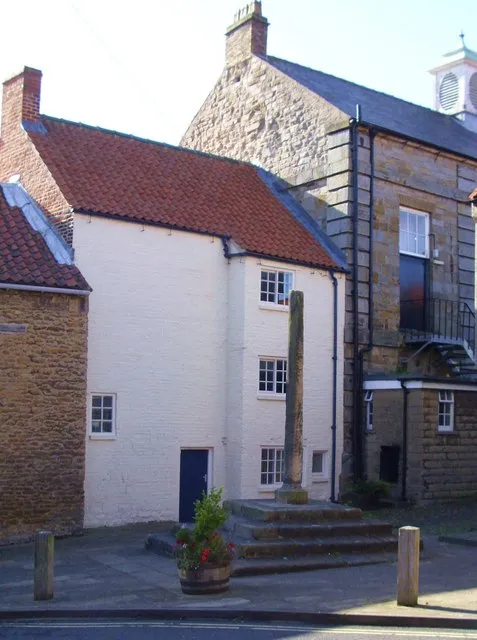
By the 18th and 19th centuries, the wool economy had changed. Spinning and weaving moved into mills and workshops, and the old cottage industries faded. What remains in Kirkbymoorside is the fabric of the town: the market place, the yards, the old shopfronts and the lanes that once carried carts and drovers. Look at the buildings around the square and you are looking at a wool town, even if the signage now says something else.
A Short Trail Through the Wool Story
This is a town-and-valley trail rather than a moorland epic. Allow two to three hours, including stops. Start on the Market Place and look at the square as a working space rather than a backdrop. Then take Church Street towards All Saints Church, where the churchyard gives you a quiet pause and a sense of the old town's shape.
From there, make your way towards Manor Vale for a short woodland stretch. It is not a wool site as such, but it gives you the feel of the town's edges and the slope between settlement and countryside. If you have a car or a bus pass, continue out to Kirkdale and St Gregory's Minster. The valley there is a reminder that sheep farming was always part of a wider landscape of fields, tracks and small settlements.
The trail is roughly three miles if you walk the full town-and-valley version, with some road walking and muddy sections after rain. Wear sensible shoes and check bus times if you are relying on public transport. The reward is not a museum exhibit but a sense of how the fleece economy fitted into ordinary places.
Where to See, Buy and Meet in 2026
The most reliable place to see fleece in action is the agricultural show circuit. The Ryedale Show, usually held at Welburn Park in late July, is the obvious local event for sheep classes, fleece displays and conversations with breeders. Dates and classes change, so check the show's own listings before you travel.
For demonstrations, keep an eye on the North York Moors National Park's events programme and local village-hall notices. Spinning groups, felters and weavers often run drop-in sessions or workshops, especially in autumn and winter. These are usually small, friendly affairs rather than polished attractions, which is part of the appeal. Ask before taking photographs, and do not assume every demonstrator is selling.
To buy wool, start with the independent shops and studios around Kirkbymoorside and the surrounding villages. Stock changes with the seasons, and many makers sell online as well as in person. If you want local fleece, ask where it came from. A good maker will know the farm, the breed and the year.
The Fleece Economy Today
The modern wool story is about adding value close to home. A fleece that might sell for very little in the raw can become a skein of yarn, a pair of mittens, a felted cushion or a workshop session. That does not make anyone rich, but it keeps skills alive and gives visitors something real to take away.
It also keeps the conversation going. When you buy local wool in 2026, you are not just buying a souvenir. You are supporting a chain that runs from moorland shepherd to spinner to shop, and you are helping to keep a practical heritage visible in a town that has been shaped by fleece for centuries.