Square Roots: A Saturday Morning That Ties Kirkbymoorside to the Moors
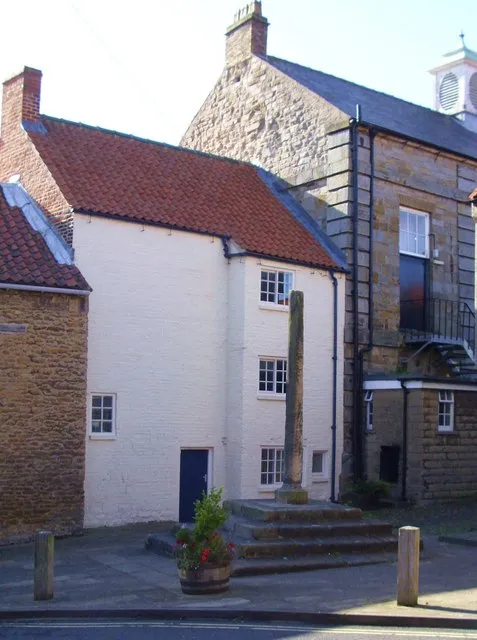
Photo: Gordon Hatton, CC BY-SA 2.0, via Wikimedia Commons
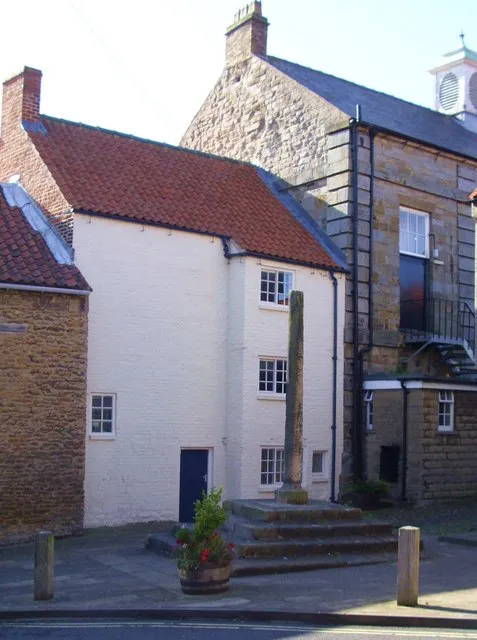
There's a moment on a Saturday morning, somewhere around twenty to nine, when Kirkbymoorside's Market Place is still just a wide bit of tarmac with ambitions. Vans are reversing into gaps. A trailer door bangs. Someone is unrolling green tarpaulin across the cobbles while a collie supervises from the back of a pickup. Half an hour later the same space is a working market, and the town has quietly become itself again.
That transformation is the best free entertainment in the western moors, and it's the reason this itinerary exists. You can park in a moorland layby and admire a view from any number of angles. You'll understand the place far better by standing in the square with a bag of apples, listening to what people are actually talking about.
Before Nine: Parking, and Why It Pays to Be Early
Kirkbymoorside is a small town with a big catchment, and on market day the centre fills quickly. Aim to arrive between 8.30 and 9am. The main town car park is the sensible bet — it's a short level walk to the square and you won't spend the morning fretting about a wing mirror. On-street spaces around the Market Place and the surrounding lanes do exist, but they're the ones the traders and the delivery vans want, so leave them alone if you can.
Market days have shifted around over the years, so if you're making a special trip, check the town noticeboards or the parish website before you set off. Saturdays are the classic day, but it's worth confirming rather than assuming.
Come with cash. Most traders take cards these days, but the smallest stalls — the ones selling eggs out of a cool box, or a few bunches of sweet william — often don't, and nobody wants to be the person holding up the queue.
What's Actually on the Stalls
This isn't a farmers' market with bunting and a tasting tent. It's a proper market: slightly chaotic, occasionally muddy, and all the better for it. Expect vegetables with earth still on them, meat from farms up the dales, plants and bedding in spring, tools, household bits, cheese, bread, and a rotating cast of people selling things you didn't know you needed until you saw them.
The trick is to ask questions. Where's this from? Whose hens? Which farm? The answers are a geography lesson in themselves — a few miles up Gillamoor bank, over towards Bransdale, down the vale past Hovingham. Moorland farming is a lean, weather-dependent business, and the market is where that economy becomes visible for an hour or two. The town has been a service centre for these dales since it held a medieval charter, and on market day that function is still doing its job, eight hundred years on.
The Shops Behind the Stalls
Don't make the mistake of treating the square as the whole town. The independent shops around and behind it are part of the same ecosystem, and they're what keeps Kirkbymoorside worth a morning rather than twenty minutes.
Work your way round slowly. A butcher who knows exactly which field the beef came from. A bakery where the queue is a reliable indicator of quality. A hardware shop of the old kind, where you can buy one screw and get advice on how to use it. Greengrocers, a proper deli counter, charity shops with genuinely unpredictable stock. It's the sort of high street that has been quietly disappearing from English towns, and here it's still creaking along, mud on the floor, change in a bowl.
If you need a benchmark for how rural this town still is, count the pickups. On a Saturday morning, the pavements double as a farmyard car park.
Coffee, Then a Wander
Once the shopping bag is full, buy a coffee and take a loop of the town. Head for All Saints' churchyard, where the peace is genuine and the stonework is older than you'd guess from the street. Follow the lanes off the square, peer down the ginnels, and find the path that runs beside the beck. Kirkbymoorside is small enough that you can't really get lost, and old enough that you'll keep finding bits you missed.
This is the bit of the day that most visitors skip, and it's the bit that makes the market make sense. The stalls aren't a tourist attraction bolted onto a pretty town. They're the town doing its weekly business.
Lunch: The Reward
By half twelve you'll have earned a sit-down. The pubs around the square do honest food — Yorkshire portions, local ale, specials boards that change with what's available. In winter, aim for the seat nearest the fire. In summer, anywhere with a yard and a bit of shade.
Book ahead if you're a group, or if you're visiting on a bank holiday weekend when the moors empty into the pubs all at once. Mains generally land somewhere between £13 and £17, and a pint of something brewed within thirty miles is the correct accompaniment. If pubs aren't your thing, the cafés in town will do you a toastie and a pot of tea without fuss.
Why This Beats the Viewpoint
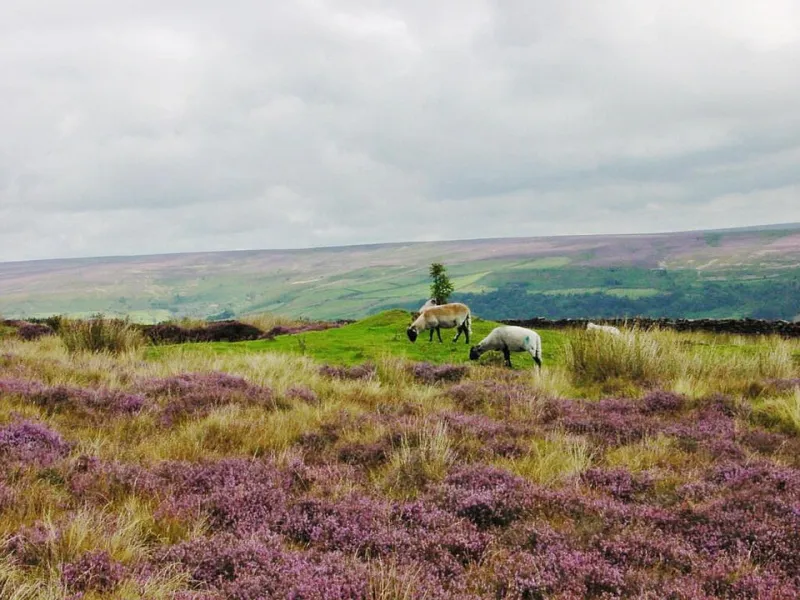
The moors are a working landscape, not a painting. The drystone walls were built by somebody's great-grandfather. The sheep on the skyline belong to a farm that sells its lambs in a town like this one. When you drive up onto the tops and look down, you see scenery. When you stand in the Market Place on a Saturday morning, you see the machinery that keeps the scenery looking the way it does.
So do the market first, then drive out onto the moor in the afternoon with a full stomach and a better idea of what you're looking at. The view will mean more. And you'll have a pork pie in the glovebox for later, which is never a bad way to end a Saturday.