The Frosted Hedge: A November Forage Around Kirkbymoorside
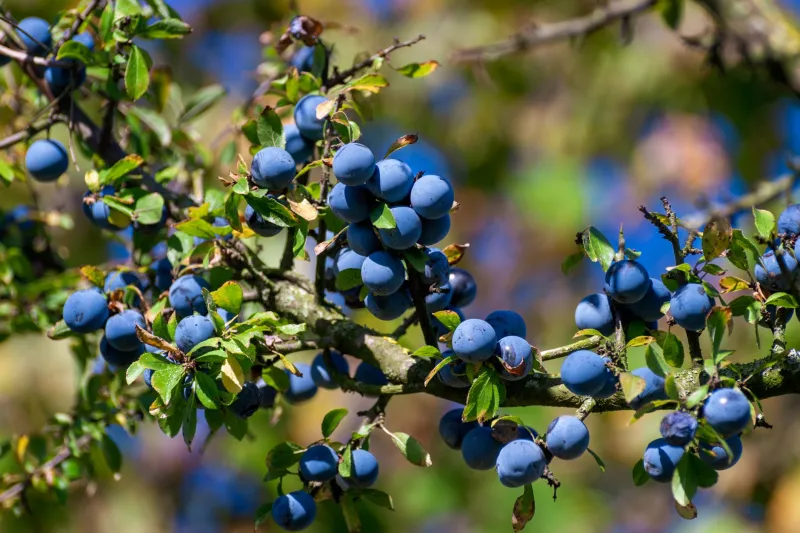
November is not the flashy end of foraging. There are no laden baskets, no glut of soft fruit, no Instagram-ready piles of berries. What you get instead is a quieter sort of harvest: sloes the colour of old ink, rosehips glowing like little lanterns, and a hedge that rewards a slow walk rather than a raid. Around Kirkbymoorside, that suits the place. The lanes are empty, the moor edge is sharp and clean, and the pubs have their fires lit.
This is a guide for anyone who has fancied a bit of hedgerow picking but is not sure where to start. It is not about filling the freezer. It is about a couple of hours outdoors, a pocketful of fruit, and a flask that earns its keep.
What November Actually Offers
By this point in the year, the obvious stuff has gone over. Brambles are mostly finished, or at least reduced to squishy reminders. Elderberries have been taken by the birds. What remains is tougher and more useful: sloes, rosehips, hawthorn berries, the last crab apples, and perhaps a few rowan berries if you are lucky and the fieldfares have not beaten you to them.
Sloes are the headline act. They grow on blackthorn, which is easy to spot once the leaves have dropped: dark, twiggy stems, often with a few spines, and little round fruits that look like tiny damsons. Do not eat one raw unless you enjoy the sensation of your mouth turning inside out. Sloes are for steeping, not snacking.
Rosehips are the other reliable pick. The dog rose and sweetbriar hips are usually fat and bright by now, though the best ones are often higher up than you would like. They are worth the reach. Rosehip syrup, tea, and jelly are all simple enough for a first attempt.
The Walk: Square, Lanes, Hedge, Pub
Start on Kirkbymoorside market square. It is the obvious meeting point, and it gives you a chance to check the bus times, fill a water bottle, and decide whether the weather is actually as grim as it looked from the window.
Head out of town on one of the quiet lanes towards Keldholme, then pick up the public bridleway that curves back towards the town edge. The exact route matters less than the principle: stick to public footpaths and bridleways, use the verges where it is safe, and do not wander into fields or private drives just because the hedge looks promising. A two-mile loop is plenty for a first forage. You are looking for sunny edges, older hedges, and places where the road is not a constant worry.
Take your time. A good hedgerow is not a supermarket aisle. You might walk twenty minutes and find nothing worth picking, then come across a stretch of blackthorn that keeps you busy for another twenty. That is the rhythm of it. Bring a small bag, a pair of gloves, and a flask of something hot. November has a way of reminding you that you are not dressed for standing still.
When you have had enough, head back into town. The Black Swan is the obvious place to land if you want a fire and a pint, though the square has a few options depending on the time of day. Boots off, flask out, and a quiet sense of having done something useful with the afternoon.
Picking Rules That Keep the Hedge Alive
Foraging is not a free-for-all. The first rule is permission and place. Stay on public rights of way, do not pick from private land without asking, and check the rules for any nature reserve or protected site before you start. Around the moors, it is easy to assume every hedge is fair game. It is not.
The second rule is restraint. Take a small amount from any one bush, leave plenty for the birds and for the next person, and never strip a hedge bare. If a plant looks sparse, move on. If it is laden, take a modest share and leave the rest. Do not pull up roots, do not snap branches, and do not use a rake or a stick to beat fruit down. A pair of gloves and a patient hand will do.
The third rule is identification. If you are not completely sure what you are looking at, leave it alone. Sloes and rosehips are fairly straightforward, but hedgerows are full of lookalikes and not all of them are friendly. A good pocket guide or a local foraging course is worth the money. This is not a hobby where guessing is charming.
Kitchen Basics: Sloe Gin, Rosehip Syrup, and a Flask
Sloe gin is the classic. Freeze the sloes overnight, or wait for a proper frost if you are patient, then prick them with a fork and pack them into a jar with sugar and gin. The exact ratios vary depending on who you ask, but roughly half the volume of sugar to fruit, then top up with gin. Shake it every few days for the first couple of weeks, then leave it somewhere cool and dark until Christmas. It is a slow business, but most of it is waiting.
Rosehip syrup is quicker. Roughly chop the hips, simmer them in water until soft, then strain through a cloth. Do not rub the pulp through the sieve or you will end up with the little hairs that make your throat itch. Add sugar to the strained liquid and reduce until it coats a spoon. It is good on porridge, in yoghurt, or stirred into hot water with a slice of lemon.
And the flask? That is the real reward. A bit of rosehip syrup in hot water, or just strong tea, drunk on a cold lane with the light going early, is worth more than a full pantry.
Safety, Lookalikes, and the Boring Bits
Wash anything you pick before you use it. Keep an eye on traffic on narrow lanes, keep dogs close if there is livestock, and turn back if the weather changes faster than you expected. Wear gloves when handling blackthorn and rosehips, and watch your eyes when you are reaching into a hedge.
Do not eat anything you have not identified with certainty. Do not assume a berry is safe because a bird has eaten it. Do not pick from busy road verges where exhaust and spray are heavy. And if you are new to this, go with someone who knows the local hedges. Kirkbymoorside is a friendly place for that sort of thing, but the moor does not do second chances with a bad identification.
Done properly, a November forage is a small, useful adventure. You come home with cold hands, a stained bag, and the smell of wet leaves on your coat. Then you put the sloes in gin, the hips in syrup, and settle in by the fire. That is the whole point.