Reading the Moor by Ear: A Seasonal Sound Guide from Kirkbymoorside
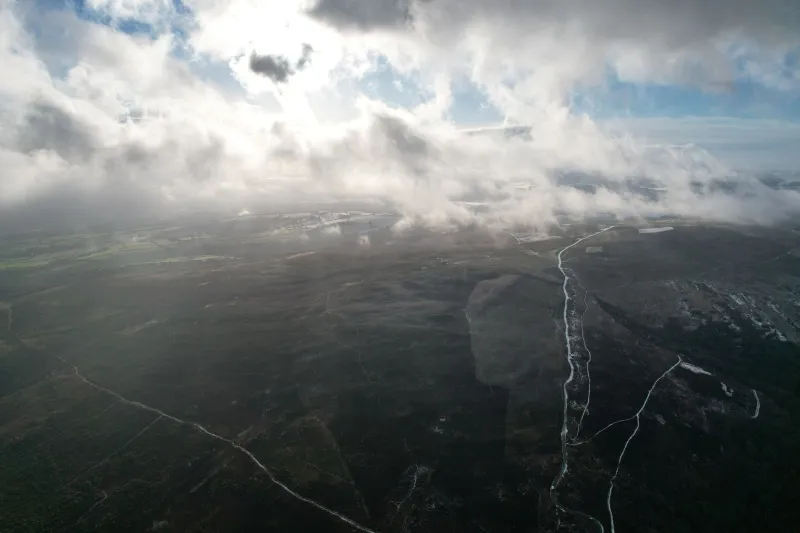
Kirkbymoorside is easy to read on a map: square, church, main street, then fields. The moors beyond are just as legible by ear. A gate latch, a curlew, the change in wind tone as you step from grass to heather — these tell you where you are, what season you are in and whether the weather is about to turn. Think of this as a sound map: use it with an OS map and a compass, not instead of them.
Start with the town's own soundtrack
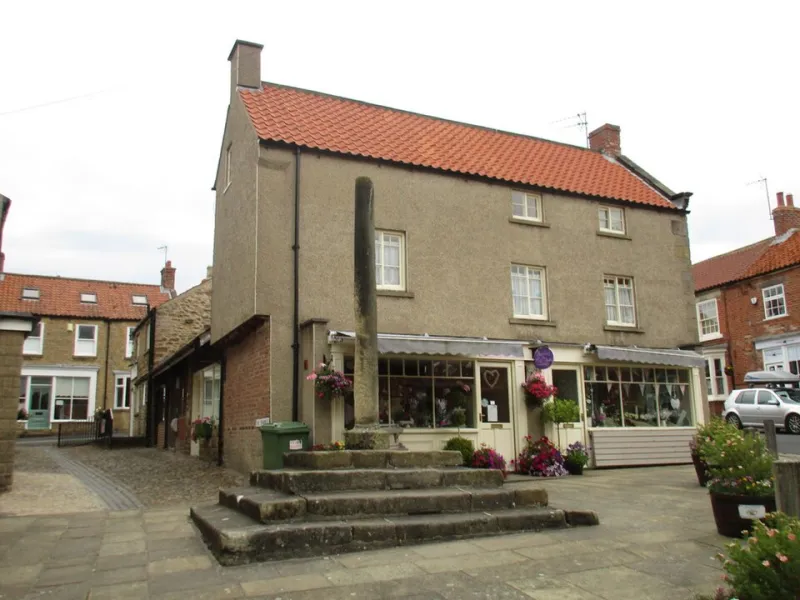
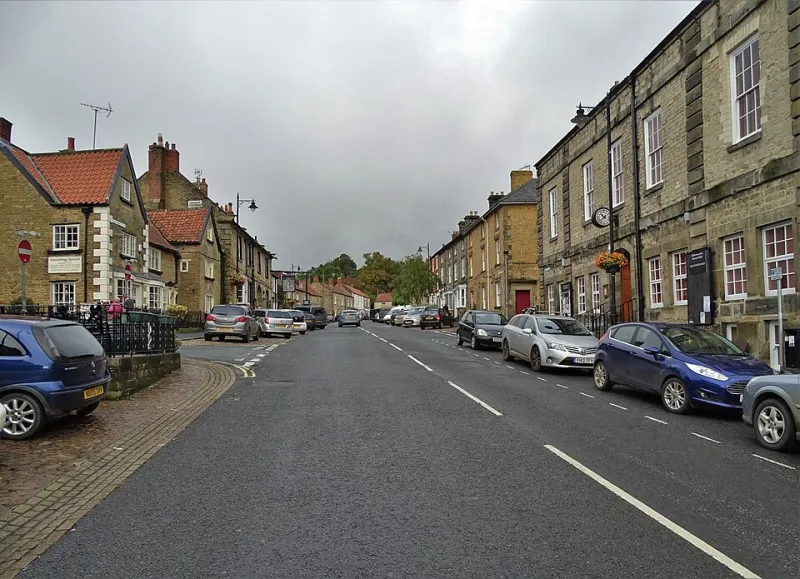
Leave the square on foot and the first sounds are human ones: delivery vans reversing, shutters going up, a dog barking at a postman. That is useful. It reminds you that Kirkbymoorside is a working town, not a theme park, and that the moor begins where those sounds thin out. Walk west along the main street, or north towards the church, and listen for the moment the traffic fades and the rooks take over. That is your cue to start paying attention.
Curlew over the spring fields (March to June)
Route: Kirkbymoorside to Gillamoor by field paths, about 2.5 miles each way. Pub stop: The Royal Oak in Gillamoor.
The curlew is the sound that makes a moorland spring feel like a moorland spring. Its bubbling call rises and falls, sometimes closer than you expect, often before you see the bird. Listen at dawn or in the last hour of light, when the air is still and sound carries. If you hear it, stop. Do not chase it. Curlews nest on the ground, and a dog off the lead can do more damage in ten seconds than a whole morning of quiet walking can undo.
The field paths out towards Gillamoor are a good place to practise. You will hear skylarks too, and the creak of a gate that needs oiling. The curlew is the one to wait for.
Wind through gritstone and drystone (October to February)
Route: Kirkdale to St Gregory's Minster and back by Hodge Beck, about 3 miles. Pub stop: The Blacksmiths Arms in Lastingham, a short detour.
In autumn and winter the moor changes key. Wind through gritstone, sandstone and drystone walls has a drier, harder sound than wind in summer trees. It whistles at gaps, hums at corners and makes a low boom in the bigger stones. Walk up Kirkdale on a blustery day and you will hear the valley before you see it.
This is also the season for the sounds that tell you a path is wet: water running in the grips, boots sucking at mud, the sharper clink of a walking pole on stone. Near St Gregory's Minster the acoustics change again — the churchyard wall cuts the wind and the whole valley seems to settle. That is your moment to turn back, or to push on to Lastingham for a pint by the fire.
Sheep bells and feed buckets (July to September)
Route: Lastingham to Spaunton loop, about 3.5 miles. Pub stop: The Blacksmiths Arms, Lastingham.
You will not hear Alpine bells on every ewe in the North York Moors. What you will hear is the working language of a farm: a feed bucket clattering, a dog whistle, a gate dragged shut, a quad bike changing gear. Occasionally a bell does carry — on a pony, a farm gate or a dog's collar — and when it does it cuts through the summer buzz in a way that feels almost continental.
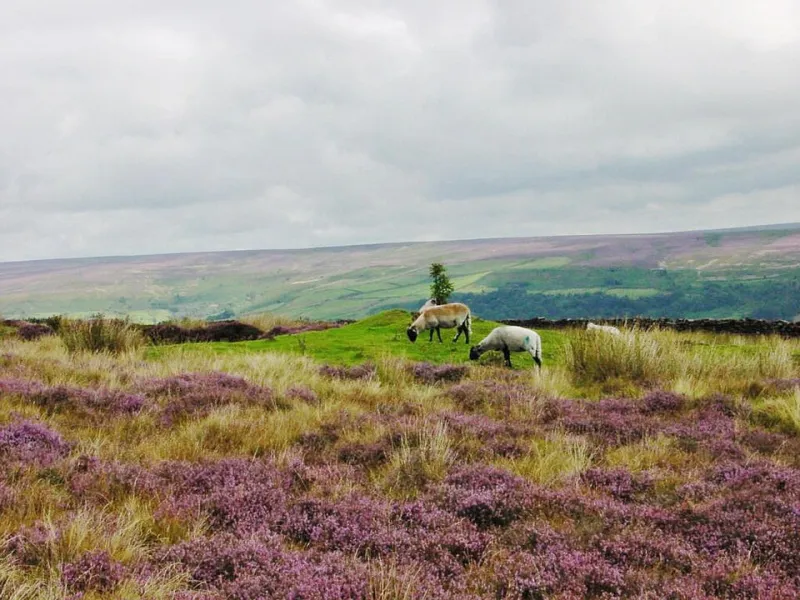
Late summer is also when the moor gets noisy with insects and seed heads. Walk the lane between Lastingham and Spaunton and listen for the difference between wind in heather and wind in long grass. The first is soft and continuous; the second rustles and snaps. Both are better with a pint at the end.
Distant farm machinery (late summer to early autumn)
Route: Gillamoor to Fadmoor loop, about 3 miles. Pub stop: The Royal Oak, Gillamoor.
There is a particular sound on a still September evening: a tractor somewhere out of sight, changing gear, stopping, starting again. It is not romantic in the way a curlew is, but it is honest. It tells you the moor is still farmed, not just visited.
The Gillamoor and Fadmoor lanes give you a good mix of field and moor edge. Stop at a gate and listen. You may hear a combine in the distance, a trailer on a cattle grid, or the sudden silence when the machine turns at the end of a row. That silence is part of the map too.
The hush after rain (November onwards)
Route: A short there-and-back from Kirkbymoorside towards Gillamoor, about 2 miles. Pub stop: The George & Dragon or The Crown back in town.
Rain changes the acoustics. Water drips from branches, runs in the gutters and softens the sound of your own boots. After a heavy shower the moor can feel muffled, as if someone has thrown a blanket over it. This is the sound to seek out in November, when the days are short and the light goes early.
You do not need a big route. Walk out of town until the houses stop, stand still for five minutes and let your ears adjust. You will hear water moving under the grass, a late bird, a distant car, then nothing much at all. That hush is not emptiness. It is the moor resetting itself.
How to use a sound map sensibly
A sound map is a memory aid, not a navigation system. Carry the map and compass anyway. Tell someone where you are going. Keep dogs on leads around livestock and ground-nesting birds, shut gates behind you, and do not wander off path to chase a call.
The best sounds are the ones you did not plan for: a woodpecker in the churchyard, a stream you did not know was there, the unexpected quiet when the wind drops. Kirkbymoorside gives you a good start. The rest is listening.