When Last Orders Comes Early: Stargazing from a Kirkbymoorside Doorstep
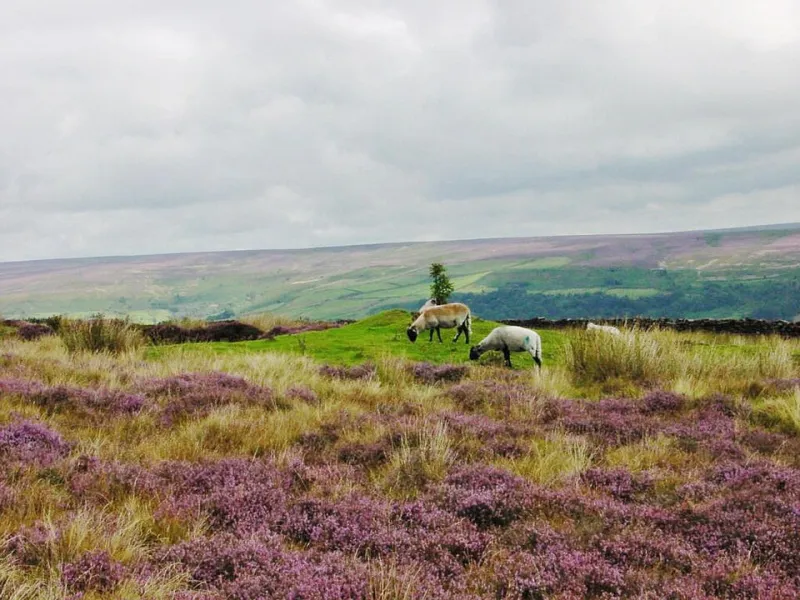
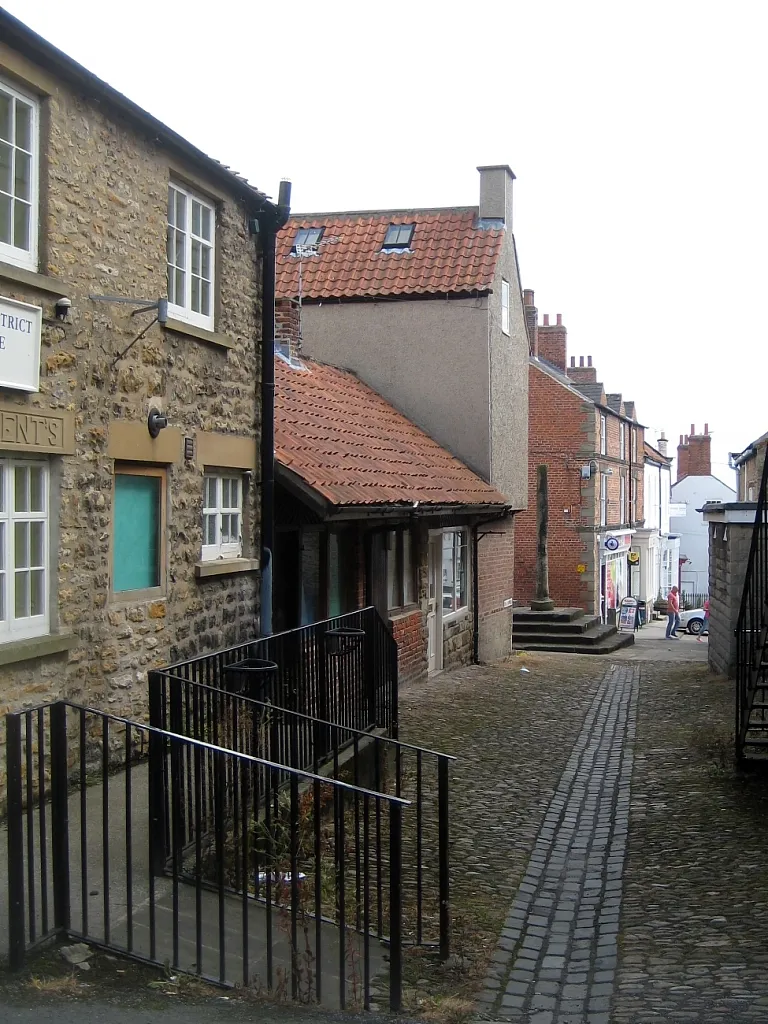
Photo: oeuvre personnelle/own work, CC BY-SA 2.5, via Wikimedia Commons
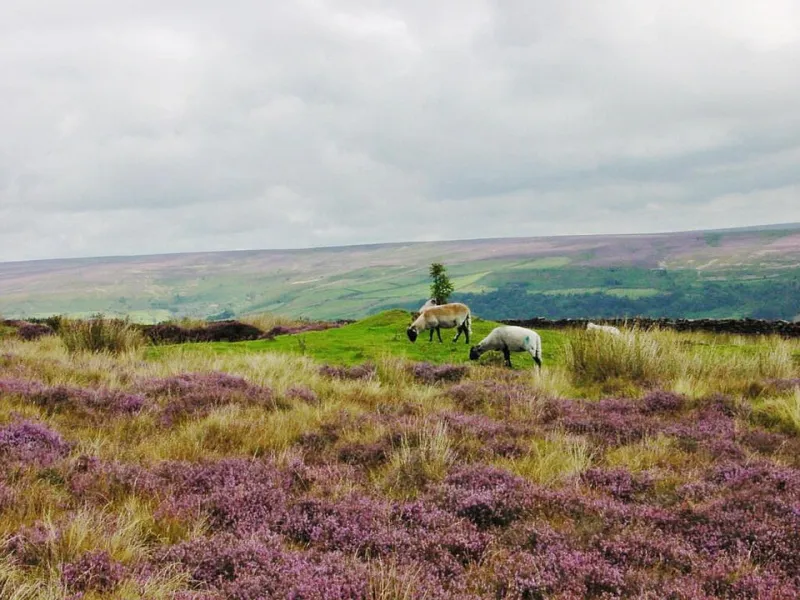
By November 2026, the clocks have changed and Kirkbymoorside has settled into its winter rhythm. The moors go quiet early. The square empties after tea. And if the sky is clear, the reward is right there above the rooftops: a proper dark sky, the kind that makes people stop in the street and look up.
The North York Moors is an International Dark Sky Reserve, and Kirkbymoorside sits neatly on its edge. You do not need a telescope or a degree in astronomy. You need a clear night, a familiar route, a torch with a red setting, and a plan that does not depend on a pub staying open until midnight. In winter, last orders can come early. Orion will not.
Why the moors after dark are worth the effort
There is a gentle opinion buried in this guide: the moors are worth staying up for. Not in a dramatic, head-torch-and-ice-axe way. More in the sense that most of us spend our evenings indoors under artificial light and forget how much is going on overhead. In autumn and winter, the constellation of Orion becomes the obvious landmark — the three stars of the belt, the bright shoulders and knees, the whole familiar shape rising in the east. Around it you get the Pleiades, Taurus, and on a good night the faint smear of the Milky Way.
You do not have to drive deep into the moor to see it. The edge of town is often enough. The trick is to get away from the streetlights, let your eyes adjust, and give it twenty minutes. That is longer than most people manage. It is also the difference between seeing a few stars and seeing the sky.
Choose a route you already know
Night walking is not the time to explore a new footpath. Pick a route you have walked in daylight. A short loop around the edge of town, a lane you know well, a field path with a clear gate — these are all better than an ambitious moorland epic. The ground is colder, the puddles are harder to spot, and a path that looks obvious at noon can look like a suggestion after dark.
If you are staying in Kirkbymoorside, start with a lap of the lit streets to get your bearings, then take a short, known path to a darker edge. If you drive a few minutes out of town, use a proper lay-by or car park and walk only a few hundred yards to a safe viewing spot. Do not park on verges, do not block gates, and do not walk on unlit roads without a torch and high-visibility clothing.
Where to walk after sunset from town
There are three sensible options. The first is the town edge: quiet lanes and footpaths where you can be away from the square's lights within ten minutes. The second is a short drive to a known viewpoint or lay-by on the moor road, followed by a few minutes on foot. The third is the simplest of all: stay on the edge of town, find a bench or a wall with a clear view north or east, and let the sky do the work.
What you should not do is head onto open moorland in the dark without a map, a compass, and experience. The moors are not dangerous by default, but they are not forgiving of a casual stroll either. In winter, add ice, wind, and early darkness to the list. A stargazing walk should be short, safe, and easy to abandon if the cloud comes in.
What to take, and what to leave at home
Take a red torch or a head torch with a red mode. White light destroys your night vision and everyone else's. Take warm layers, a flask, a charged phone, and a paper map if you are going beyond the town edge. Tell someone where you are going and when you will be back. Binoculars are a nice extra, but they are not essential.
Leave the drone at home. Leave the bright camera flash alone. And leave the idea that you need to be miles from anywhere. Some of the best views are from the town's own doorstep.
Pubs, last orders, and the walk back
Kirkbymoorside's pubs are part of the pleasure of a night out, but winter hours vary. The King's Head on the square is the obvious place to start, and other pubs in town may keep longer hours at weekends. Do not assume. Ring ahead if you are planning a late meal, and check last orders before you commit to a long walk. A pint before the stars is a good plan. A locked door after them is not.
One decent approach is to eat early, walk out for an hour, and come back for a nightcap if the pub is still open. Another is to walk first, then retreat to a flask in the car or a hot drink at your accommodation. The point is to separate the walk from the pub timetable. Orion does not care about licensing hours.
Planning a night that ends with Orion
Check the moon phase. A full moon is beautiful but it washes out faint stars. Check the cloud forecast, not just the temperature. Give yourself at least half an hour on site, including twenty minutes for your eyes to adjust. Turn off your phone screen when you can. And if the sky is stubbornly cloudy, call it a night and try again. Dark skies are not a one-off event. They are a season.
In November and December, Orion is well placed in the evening. By January it is unmistakable. Take a flask, take a friend, and take the short way home. The moors after dark are not a challenge to be conquered. They are a good reason to put your boots back on when the town has gone quiet.