Ghost Inns of the Moors: Walking Kirkbymoorside's Vanished Alehouses
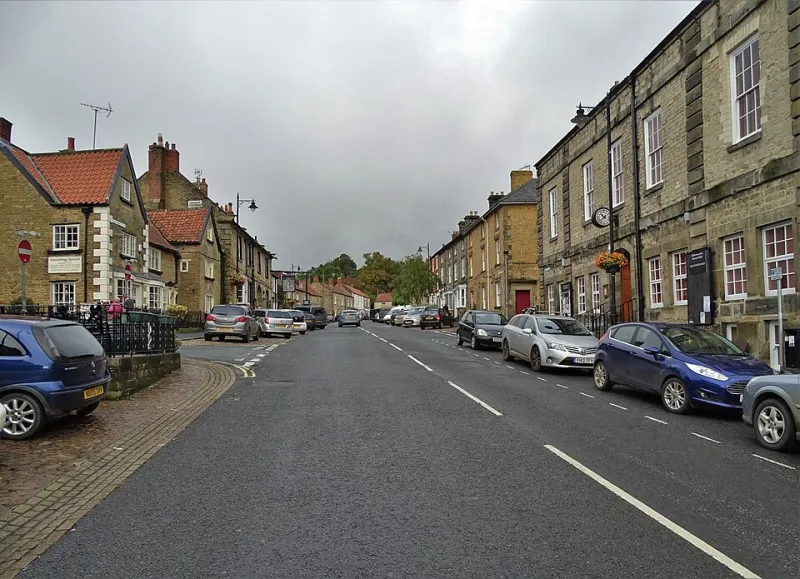
Photo: Neil Theasby , CC BY-SA 2.0, via Wikimedia Commons
On a damp November morning the Market Place in Kirkbymoorside does a convincing impression of a town with nothing to hide. Cars nose into spaces, the bakery does a steady trade, and the pubs that remain put out their boards. But stand still for a minute and the square starts to mutter. There are archways that lead nowhere, stone thresholds worn into dips, and a few buildings whose proportions look suspiciously like a bar counter waiting to be uncovered. This is a walk for anyone who has ever wondered where the other pubs went.
Kirkbymoorside was never a one-pub town. Old directories, tithe maps and census returns paint a busier picture: coaching inns on the Helmsley road, beerhouses tucked behind cottages, and rooms licensed for a few years at a time before slipping back into domestic life. Some closed when the railways changed travel; others ran out of family labour, or were swallowed by the slow decline in agricultural workers. The result is a landscape of ghosts — not haunted houses, exactly, but buildings that still carry the shape of a public bar.
Start where the coaches turned
Begin at the top of the Market Place, near the broad pavement where the road bends towards Helmsley. Look for the wide, low archways and the cobbled patches between buildings. These were the working parts of coaching inns: stable blocks, cart entries, and yards where horses were changed. A proper inn needed more than a taproom. It needed a blacksmith within shouting distance, a loft for hay, and space for a coach to turn. Several of the yards here still have that generous, practical width, even where the buildings around them have been converted to houses or shops.
Walk east along the square and then turn into Church Street. This is the quietest stretch of the route, and the best for spotting blocked doorways. A vanished pub often leaves a ghost sign of its own: a stone lintel that no longer matches the brickwork, a shallow recess where a window was, or a raised threshold worn smooth by boots. You are not looking for a plaque. You are looking for a building that seems to be holding its breath.
A short walk between ghosts
The route is about two and a half miles and takes in pavement, a quiet lane and one short grassy climb. From Church Street, continue west and then follow the lane towards Manor Vale. Keep an eye on the older cottages: several were once licensed rooms, and one or two still have the small, high windows that let in light without letting in too much weather. At Manor Vale Wood, the walk turns back on itself through the trees — a good place to imagine the walk home after a market day, though the wood itself is a much older landlord than any pub.
Come back into town by the West End and finish near the square. If you want to stretch the route, add a loop up to the old churchyard and look back over the roofs. From that angle the town looks compact, almost smug. It is easy to forget that it once served a wide, scattered moorland parish — and that the pubs were part of the infrastructure, not just the entertainment.
Reading the bricks
What should you actually look for? First, side entrances. A former inn often has a second door facing a yard, wide enough for barrels and deliveries. Second, stable evidence: cobbles, tie rings, a low arch, or a loft door high in a gable. Third, the tell-tale huddle of buildings. Pubs rarely stood alone in a town like this; they leaned on neighbours, shared walls and borrowed light.
Old maps help. The 1850s Ordnance Survey sheets show inn yards and outbuildings more clearly than modern maps, and the census can be surprisingly gossipy. A publican listed with five children, two servants and a lodger tells you the place was a household as much as a business. A beerhouse keeper who was also a joiner or a blacksmith tells you the licence was a side income, not a grand calling. Local memory fills in the rest, though it is worth treating memory as a good storyteller rather than a sworn witness.
What the lost rooms tell us
There is a gentle argument to be had about all this. The vanished pubs of the moors were not simply victims of fashion. They were part of a working landscape: places where hiring fairs were held, where doles were paid, where a farmer could get a bed and a stranger could get directions. When they closed, something more than a bar closed with them. The surviving pubs around Kirkbymoorside now carry that load — the notices, the meetings, the quiet corner for someone who needs one.
That is not a reason to be sentimental about every lost licence. Some were cramped, cold and better suited to a different century. But it is a reason to look twice at the buildings around the square. The next time you walk past a converted cottage with a strangely wide hallway, ask yourself what it used to be. The answer may be in the brickwork, the map, or the memory of someone who still calls it by its old name.
Practical notes
Wear boots you do not mind getting muddy, especially after rain. The route is mostly easy, but the lane towards Manor Vale can be slick, and the short climb is not wheelchair-friendly. Respect private property: many of these buildings are homes, so admire from the street and keep gates closed. Bring a torch in winter, and check bus times if you are relying on public transport. The walk is best done in daylight, with a stop at one of the surviving pubs at the end — not to mourn the lost ones, but to keep the trade going.